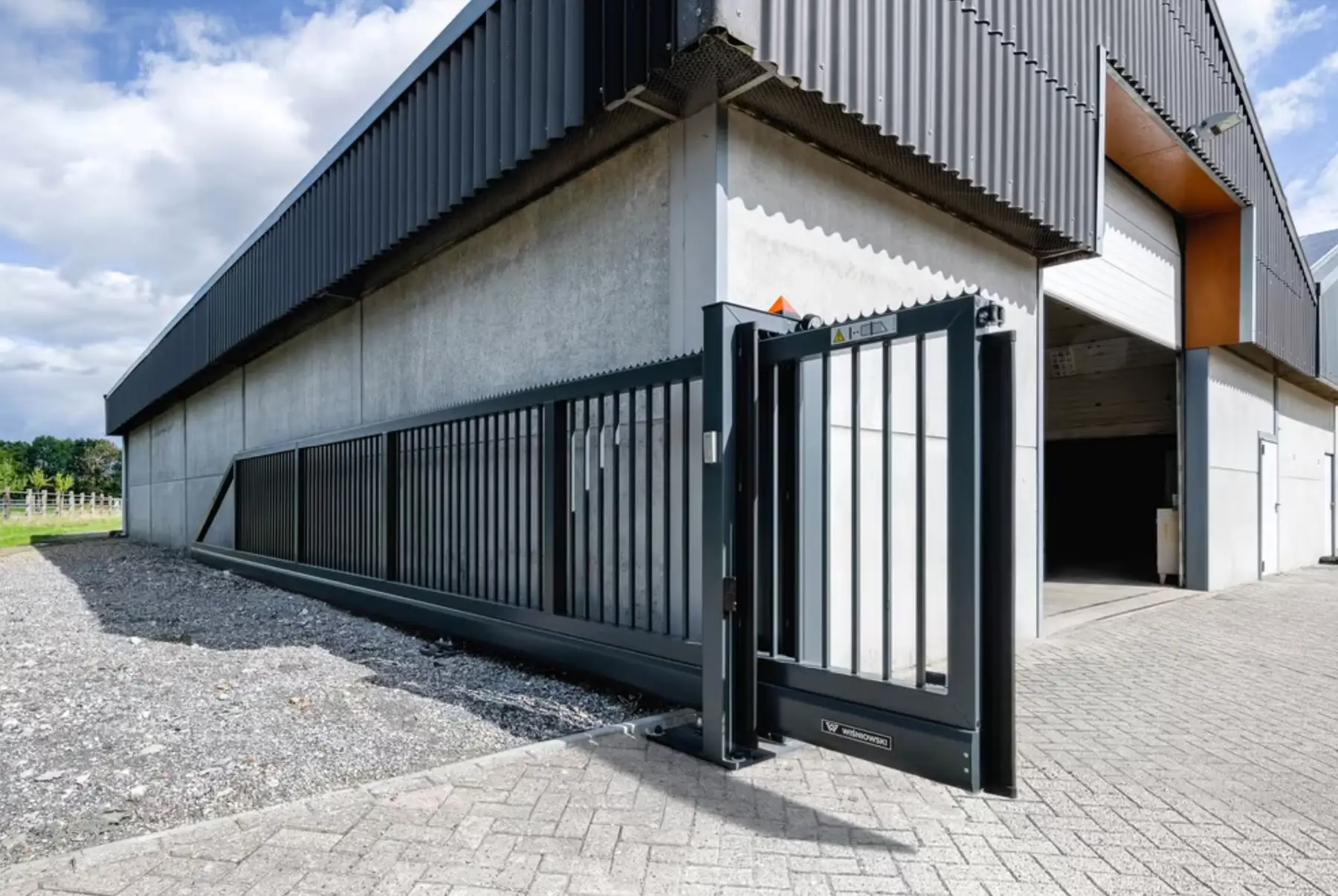
Electric gates are a significant investment for any property in Essex. They provide security, convenience, and kerb appeal. But when things go wrong — whether through poor installation, ageing components, or accidental damage — the consequences can be far more serious than a simple inconvenience. In this article, we cover the key risks associated with faulty electric gates and how to find a qualified engineer for repairs.
Security risks of damaged or poorly installed gates
A gate that doesn't close properly, sticks halfway, or fails to latch is not just an annoyance — it's an open invitation to potential intruders. Damaged or improperly installed electric gates compromise the very security they were designed to provide. If your gate is visibly struggling to operate, anyone watching your property will notice.
Beyond physical faults, there's a less obvious vulnerability with standard access systems. Most remote fob systems use radio frequency signals to communicate with the gate controller. These signals can be intercepted and cloned by unauthorised users with relatively inexpensive equipment, giving them unrestricted access to your property.
This is one of the reasons we recommend the Remootio 3 Smart Gate Opener as a more secure alternative. Unlike traditional fobs, Remootio uses encrypted smartphone-based access that cannot be cloned. You control who has access, revoke permissions instantly, and receive notifications whenever your gate is operated — all from your phone.
Safety hazards
Electric gates contain powerful motors and heavy moving parts. A standard pair of aluminium swing gates can weigh upwards of 60kg per leaf, and the motors driving them generate considerable force. When these systems are installed incorrectly, the results can be dangerous.
Proper installation requires careful attention to several critical factors:
- Correct sensor placement — Safety photocells and sensors must be positioned to detect people, animals, and objects in the gate's path of travel.
- Proper wiring — Incorrect or substandard wiring creates fire risks and can cause erratic gate behaviour.
- Quality components — Cheap or incompatible parts fail sooner and can compromise the safety systems designed to protect users.
At Charged Services, we take a design-led approach to safety. By over-specifying hinges and carefully designing gate positions, we can often minimise safety risks to the point where additional safety edges are not required. We also prefer aluminium gates wherever possible — a typical 2m x 2m aluminium leaf weighs approximately 60kg, significantly less than a comparable steel or timber gate, reducing the force involved in any potential contact.
Financial consequences of cutting corners
Poor installation doesn't just create safety and security problems — it hits your wallet too. When corners are cut during the original installation, the resulting issues can cascade through the entire system:
- Motors burn out prematurely from fighting against misaligned gates
- Control panels fail due to incorrect wiring or water ingress
- Access systems malfunction, locking you in or out of your own property
- Structural damage to posts and pillars from gates that don't swing correctly
These repairs are invariably more expensive than doing the job properly in the first place. Regular professional maintenance prevents many of these costly issues from developing, and a good service visit can identify potential problems before they become emergencies.
Hinge-related problems
One of the most common causes of gate failure that we encounter is inadequately specified hinges. It might seem like a minor detail, but the hinges are one of the hardest-working components on any swing gate system. When they're under-specified, the problems multiply:
- Premature failure — Hinges that aren't rated for the gate's weight will wear out far sooner than expected.
- Misalignment — As hinges deteriorate, the gate drops and no longer meets the keep or latch correctly.
- Increased motor stress — A sagging gate forces the motor to work harder on every cycle, shortening its lifespan.
- Structural damage — The additional strain transfers to the gate posts and pillars, potentially cracking brickwork or bending steel supports.
Proper engineering considers every factor: the gate's size, weight, material, wind loading, and expected usage frequency. Getting the hinges right from the start prevents a chain reaction of failures down the line.
How to find a qualified gate engineer
If your electric gates need repairs — or if you suspect they were poorly installed in the first place — finding the right engineer is critical. Here are four things to look for:
1. Verify credentials
Industry certifications exist from bodies such as DHF (Door & Hardware Federation) and Gate Safe. While holding these certifications demonstrates a baseline level of knowledge, they don't automatically guarantee quality workmanship. Treat them as a starting point rather than the sole measure of competence.
2. Request references
A reliable gate engineer should be happy to provide evidence of their previous work. Look for photographic documentation of completed projects, genuine customer testimonials, and an openness to arranging site visits so you can see their installations in person.
3. Assess experience
Ask about the engineer's time in the field and the variety of projects they've completed. Gate automation covers a wide range of systems — from simple residential swing gates to complex commercial sliding systems with integrated access control. An engineer with broad experience is better equipped to diagnose and resolve issues.
4. Evaluate customer service
How an engineer communicates before the job often reflects how they'll handle the work itself. Look for prompt responses, clear explanations of what's wrong and what needs to be done, transparent pricing, and a genuine willingness to address your concerns.
If your electric gates aren't operating correctly, don't wait for a minor issue to become a major problem. Early intervention almost always saves money and prevents safety risks from escalating.
At Charged Services, we carry out electric gate repairs across Essex and East London. Whether your system needs a simple adjustment or a complete overhaul, our team can diagnose the issue and get your gates back to full working order. Get in touch for a no-obligation assessment.
Related reading
- Electric gates Essex — Choosing, installing and automating electric gates for Essex homes and businesses.
- The truth about composite gates — Quality differences in frames, boards and finishes that affect how long a gate lasts.
- Remootio 3 offline — Why some UK broadband providers block smart devices, and how to get Remootio back online.
Our services: Gate repairs · Gate automation